
CASE /// EXPERIENCE · INTERACTIVE STORY
The Next Adventure
Concept by RAVAROExample site: characters and setting are designed with AI, the website is real.
What if your visitors remembered your website like a game from their childhood? A host who turns round to look at you, a jungle that grows into the study, twelve stations to play along with — a website you don't read, you play it.
The question at the start
What do you remember after visiting a website? Hardly ever a text. You remember a moment when you did something yourself and the site answered.
Most websites only tell: they load, you scroll, everything works, and five minutes later nobody knows whose site it was. Three boxes, a contact form, a team photo — tidy and forgotten at once.
Why we built it
Nobody ordered The Next Adventure, and that is on purpose. It belongs to our series of example sites, built with no client behind them, so we have a free hand and can show our best instead of inventing client results.
This one starts with a memory. As a child, Ralph played a PC game from 1996 that he never forgot: not perfect technically, but full of personality everywhere. His question to us: what happens when a thirty-year-old memory comes alive again — not as a copy, but as a world of its own that you step into in the browser?
Behind it is a marketing brief. The site shouldn't claim what RAVARO can do, it should prove it while the visitor uses it. Whoever arrives here usually knows us already, so this page doesn't have to convince him. It should surprise him and show him what a website can be when you give it room to play.
“The site should feel like an experience where you keep discovering something new.”
The one idea — and why
A memory grows out of the screen: the visitor sits in the study too, and station by station it becomes a world he moves through himself.
We never start with images, we start with a sentence. Here it is: a childhood memory begins in a study of today, grows out of the old CRT monitor and turns into a jungle; at the end it goes back to today, and the site asks the visitor about his own adventure.
Ralph designed the four characters himself and gave each one a fixed job. The host tells the story, the parrot guides you through the site, the chameleon rewards whoever looks closely, and the iguana does absolutely nothing useful — he provides the pauses in which you laugh.
That is almost exactly what happened to us. About an early rough cut Ralph wrote: “There's no common thread for why the site suddenly turns from the office into this.” He was right — anyone who only scrolled saw the jungle break into the room for no reason, like a second, unrelated topic. We stopped building, wrote every station onto one sheet and only carried on once the story held from the first to the last. Since then, scrolling on is the yes to the adventure, and every station ends with a character going on ahead.
What it became
View it liveTwelve stations and an ending, built in 17 days: from the study at night, where the host turns round to look at you, past a vine you had better not pull, a flight through the canopy and a hide-and-seek in the dark, all the way back to today. First the core of the site as a comparison, below it two pictures from the real site.
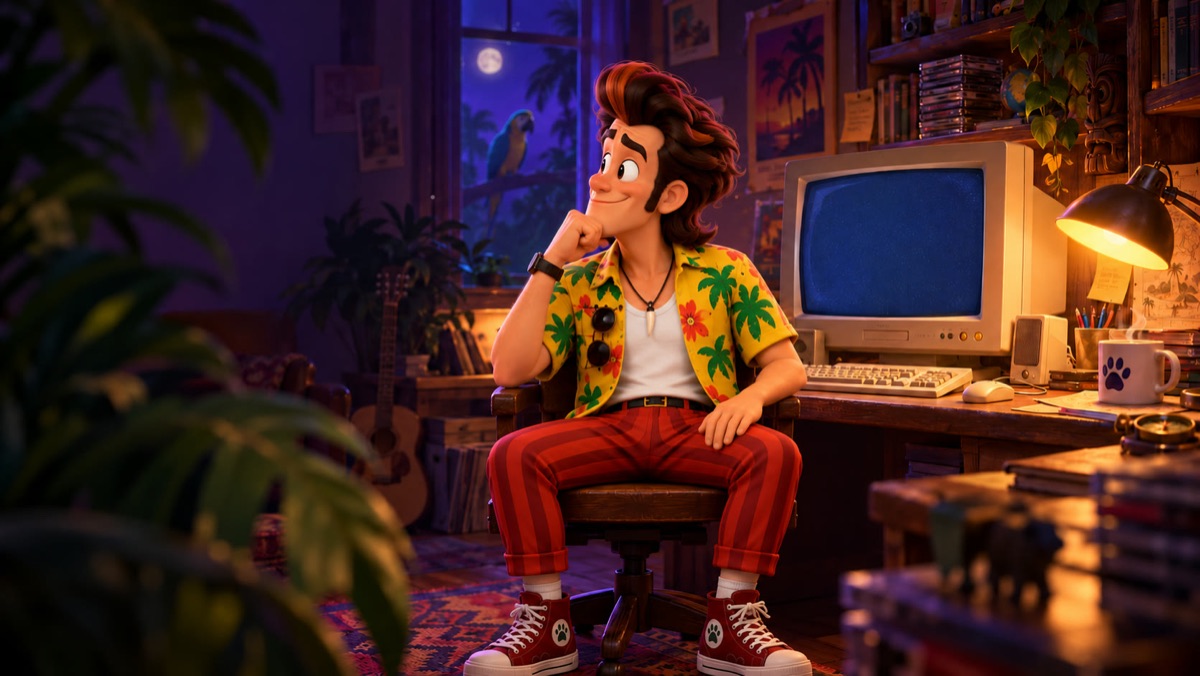
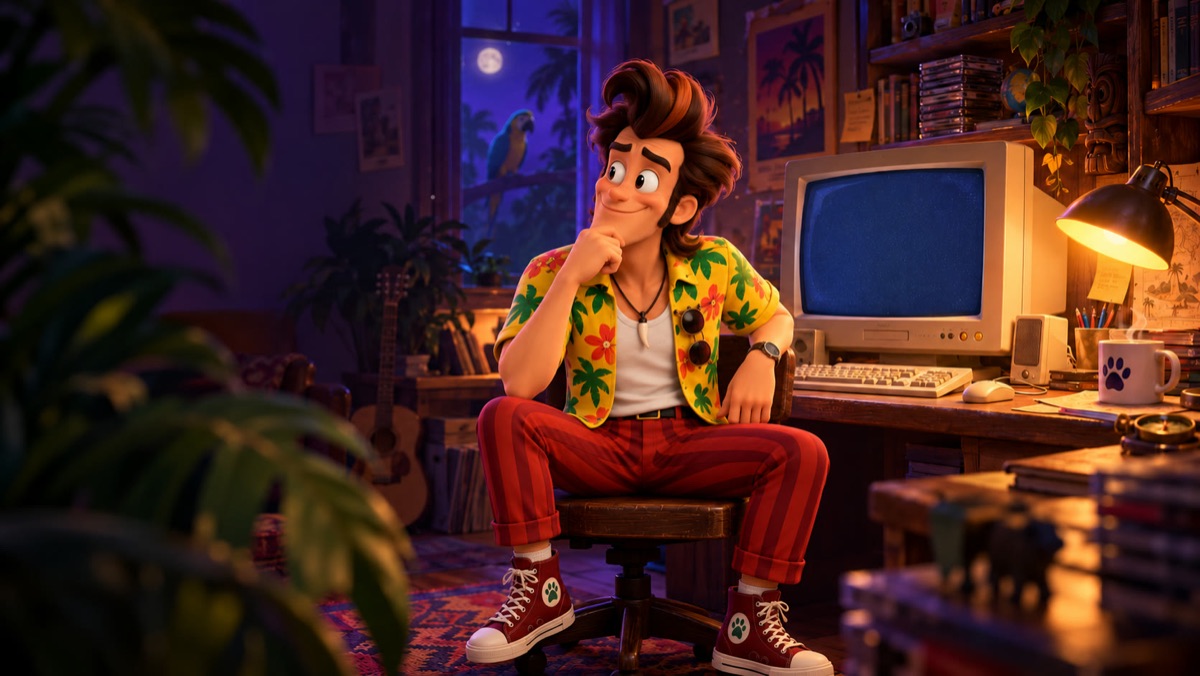
Drag the slider: on the left a rejected version — the head turns left, the eyes look right. On the right the one we built in, where head and gaze go the same way. On the site, this gaze follows your mouse or your finger wherever you move it.
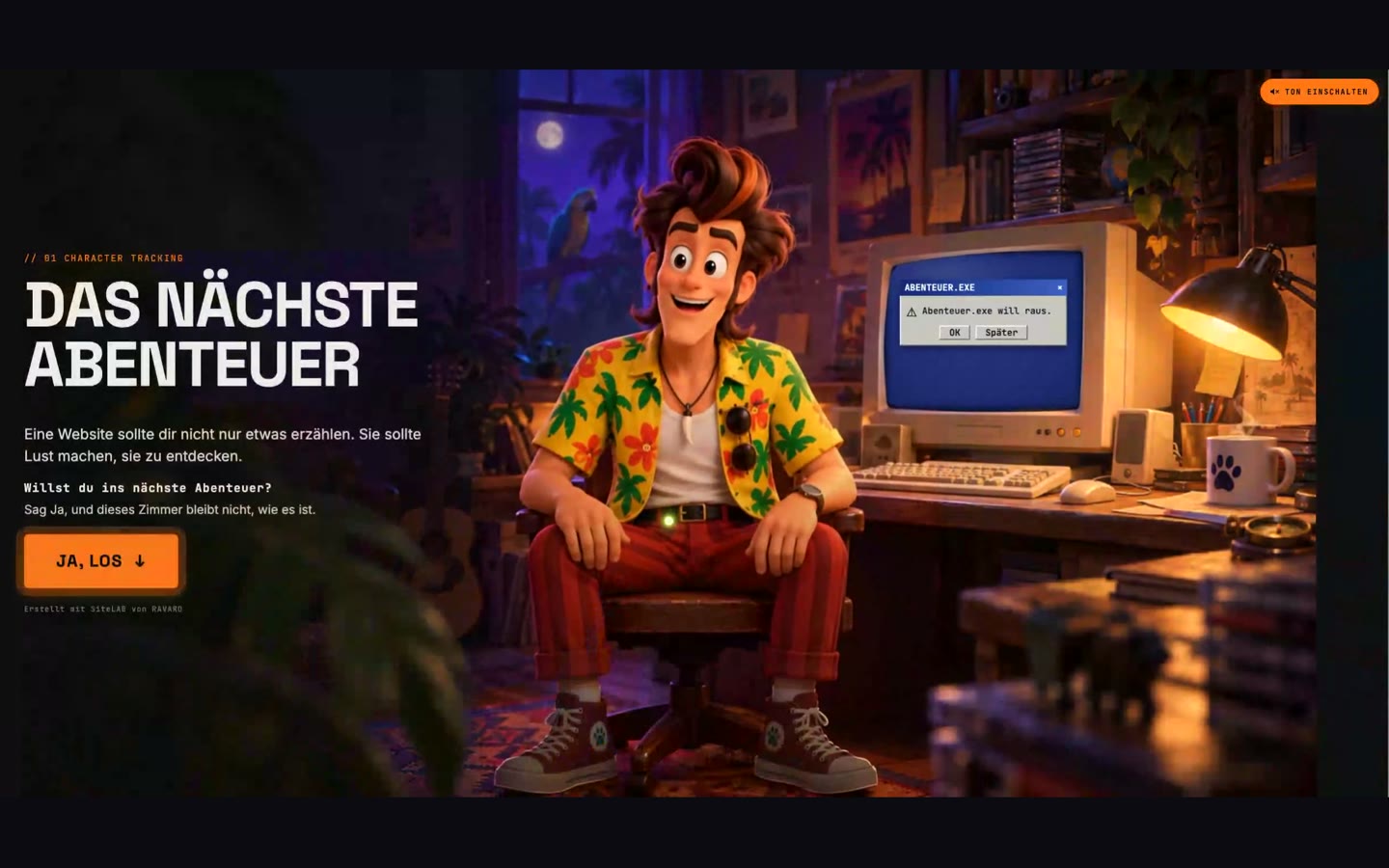
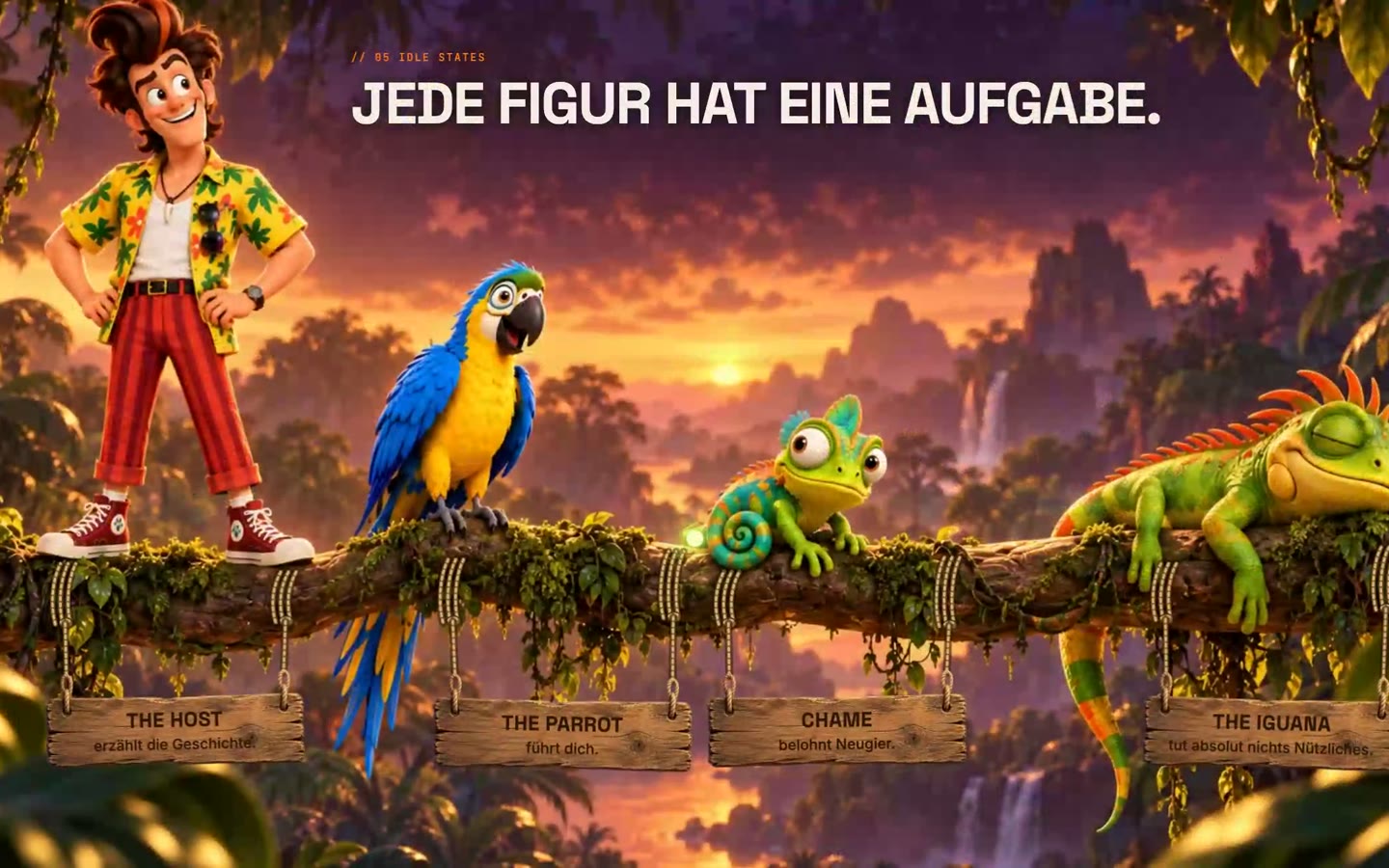
Screenshots of the site in version 0.4m from 17 October 2026, taken on a large screen. Characters and setting are designed with AI — the site says so itself at the end.
How we decide
For us AI is a tool, not an argument. It delivers images and films in minutes, and just as fast ones that don't hold up. What turns them into a site people remember are decisions, and each one starts with the same question: what does the visitor experience at this point, and what does the business behind it get out of it?
Five such decisions shaped this site. Ralph looked at and listened to every version himself; where his judgement changed something, it says so.
1 · The site notices the visitor before he reads
The host turns round to look at you and follows your pointer with his eyes. No film is playing: there are pictures of him looking left, centre and right, with short transitions in between, and the site always shows the picture that matches your movement. When Ralph saw the first versions on his large screen he wrote: “Everything still a bit blurry.” So every scene was made again in high resolution; phones get the lighter version, large monitors the sharp one.
Why like this: people react to faces and gazes before they have read a sentence. A character who notices the visitor holds him in exactly the first seconds in which he would otherwise already be gone — and a blurry face would have thrown that moment away.
2 · Every station gives the visitor something to do
Ralph found an early scene “just ok”: a leaf floated forward for no reason. What he wanted was for the visitor to set off something by accident that happens to the character. That became a vine with a wooden sign saying “Don't pull”. Pull it anyway and you yank the host up by his foot — and that very click leads into the next station.
It went on like that. In the dark your pointer becomes a torch, and somewhere a camouflaged chameleon is sitting; there are nine hiding places like that on the site. In the flight, scrolling is flying, giant stone letters wobble when you tap them, and shortly before the end the site tells where the idea comes from: the world turns rough like a game from 1996, and stroke by stroke a pencil drawing becomes the host of today.
Why like this: what you have discovered yourself, you remember. Whoever has clicked, searched and flown through twelve stations hasn't read a site, he has experienced something — and still knows that evening whose site it was.
3 · What your customers hear, you decide
Every generated recording is read back before it goes on the site; that is how we noticed a voice speaking the stage directions along with the lines. What reading back doesn't find is the sound: on first listen Ralph found the parrot's voice “awful” and the German lines clumsy.
That became a fixed rule: listen first, then build in. All lines sit side by side on a listening page, several versions per line. Nine voices auditioned, Ralph chose one, and it now speaks German and English — chosen only after we had checked that it may be used commercially. When he finally wrote “The sounds don't always fit, though”, each of the 74 sounds was held against the frame in which it plays; the footsteps at the end land exactly where the feet touch the ground.
Why like this: a voice that doesn't fit turns a character with personality into an advertising mascot, and a sound that comes a blink too early feels cheap, even if nobody can say why. For you that means: nothing goes live that you haven't heard first, and the rights to it are cleared.
4 · The same site on a phone, without a second build
Ralph's brief was clear: the site should work on a phone without being built a second time. The first version loaded every film at once and held on to them; a phone would have choked on that. Today it loads there only what the current station needs and lets it go again afterwards. The giant word is wider than the screen, so it glides slowly and can be pushed with a finger, and where Ralph didn't see on his phone that it carries on sideways, there is now an arrow button.
Why like this: most visitors come on a phone. An experience that only holds up on a large screen loses exactly those who see it first — and a way you can only find by swiping is no way at all for many people.
5 · Every version is played through in full
After every change a test program runs through the whole site the way a visitor would: on a large and a normal computer, at the size of an iPhone and an Android phone, forwards and back, with and without sound, in German and English. Only when everything passes does a version count. And because numbers alone aren't enough, we look at a recording of the whole site for every version; once it showed what the test had missed — a hint was lying on the host's shoes.
Before launch came the test on the real address: the site makes not a single request to third-party servers; even the fonts come from its own.
Why like this: a mistake your customer finds costs more than any we find. And whoever visits your site leaves no data with third parties — one worry less, for you and for him.
What went wrong and what we learned from it
We keep a log of every build: what was changed, why, and what was checked afterwards. These mistakes come from it. Each one left a rule that has applied to every project since.
- What happened
The first character was a moving 3D model: it walked and turned its head, technically clean. But the mouth didn't move, and it looked worse than the picture it came from.
→ What we do differently sinceBefore every tool we check whether it delivers what matters. Here that was a face that is alive.
- What happened
A turn without a given end frame: the AI made up the missing half, and a grin became a grimace.
→ What we do differently sinceEvery movement gets its own start and end frame. Better two short scenes than one long one.
- What happened
Ralph saw a rough cut without knowing which parts were placeholders. His verdict could only be “no common thread”.
→ What we do differently sinceNo interim version without a legend: what is finished, what is still to come and where you are in the whole.
- What happened
So that the character wouldn't cover the giant word, we split it. After that it was only half as big and had lost its punch.
→ What we do differently sinceA covered word is better than a small one. Not everything that bothers us bothers the visitor.
- What happened
Ralph heard that the sounds didn't always fit, but not which ones. Some came a blink too early or too late, one sounded like a cartoon.
→ What we do differently sinceEvery sound has a number in a list and is checked against the frame, plus a test film in which each number is shown large.
- What happened
As soon as you touched the vine, a piece was missing at the top and a dark edge stayed at the bottom — visible only in the wide window Ralph was looking at, not in the one we tested in.
→ What we do differently sinceWe test at the window size of whoever is looking. And everything that moves extends past every edge.
Measured
What it does for your business
Imagine a customer opens your website, and the first thing that happens: someone turns round to look at him. He moves the mouse, and the gaze follows him. He scrolls, and something breaks in. Twelve stations later he has searched, pulled, tapped and flown — and at the end the site asks him what his adventure would be.
That is the difference between a site you have read and one you have experienced. Nobody remembers three boxes and a contact form in the evening, but a moment in which a site answered you, yes. Whoever has experienced something like that talks about it and still knows whose site it was.
It doesn't take a jungle. A brand with personality, a shop, a workshop, a product people want to open up: whatever your customers like about you can do something on your site instead of just standing there.
This jungle doesn't exist. Your brand does.
The Next Adventure is an example site with no client; characters and setting are designed with AI. We saw the idea of a character following the pointer with its eyes in a motion template by figmaformotion; characters, world, films, sound and code were made specifically for this site. Only our own images are shown here.
So much image and sound has weight: the site needs a good connection and loads station by station on a phone. It hasn't yet been signed off on a real iPhone; the phone values come from simulated phones on a computer. Built without a client, it shows what is possible — it doesn't prove a sales figure.
A website that only looks nice is dead weight. Website Systems builds a site from your actual business goals — one that takes work off your plate and turns visitors into real enquiries.
MORE CASES ///
Next build
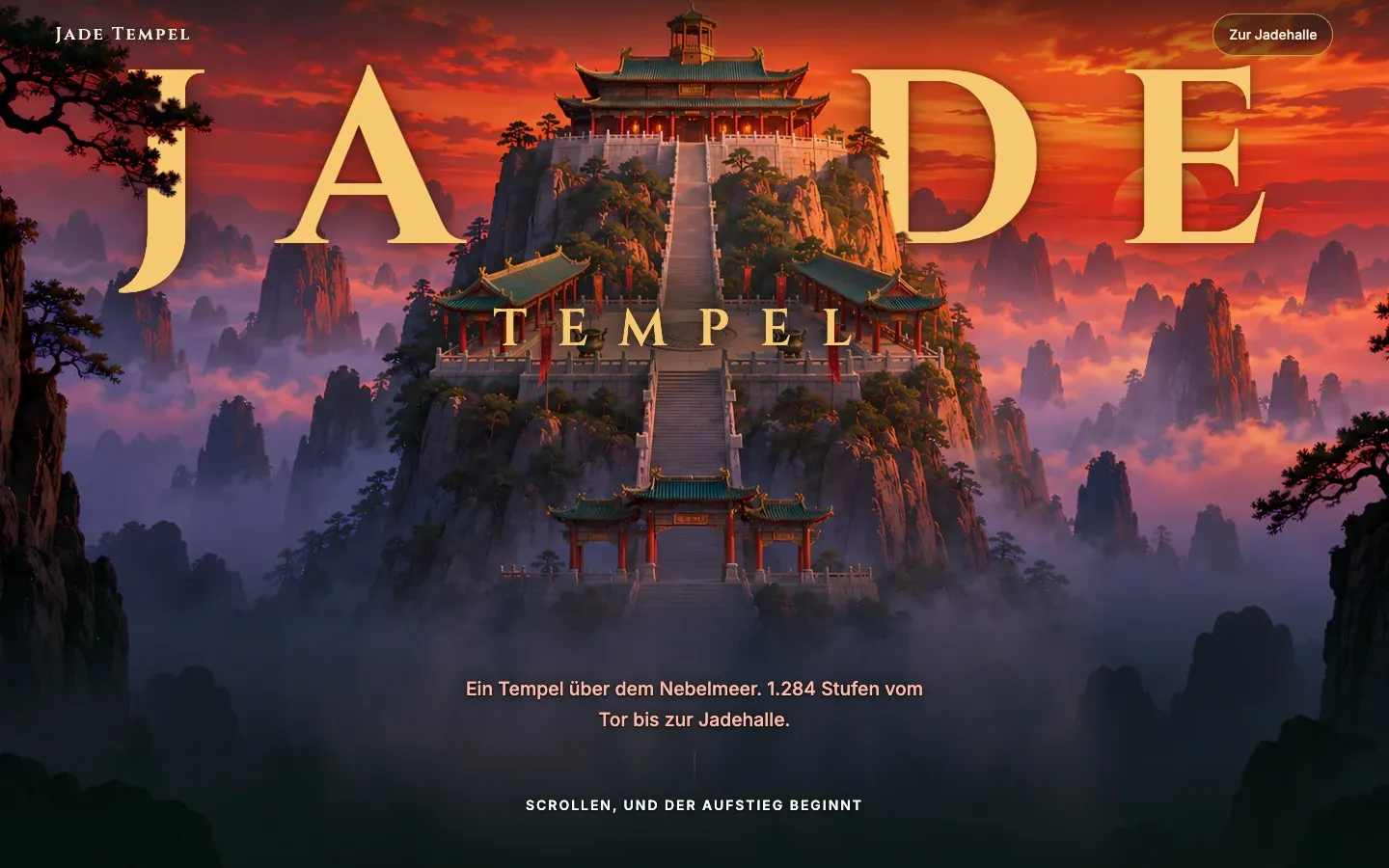
Jade Tempel
What if your guests had already walked the way to you before they set off? 1,284 steps, a hall of jade, a dragon after the storm — a website you don't look at, you climb it.
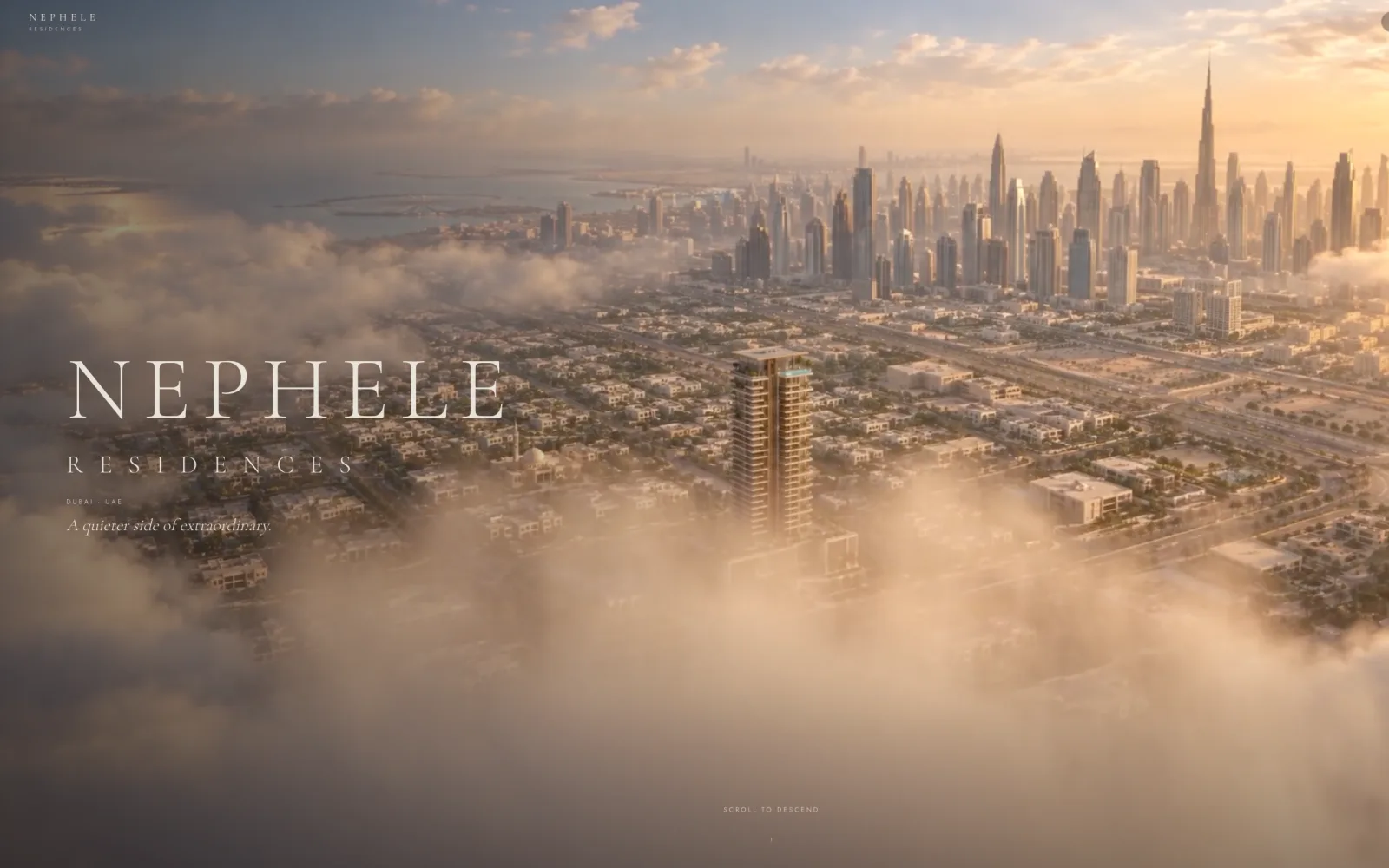
NEPHELE Residences
Nobody buys the development. They buy apartment A1803.
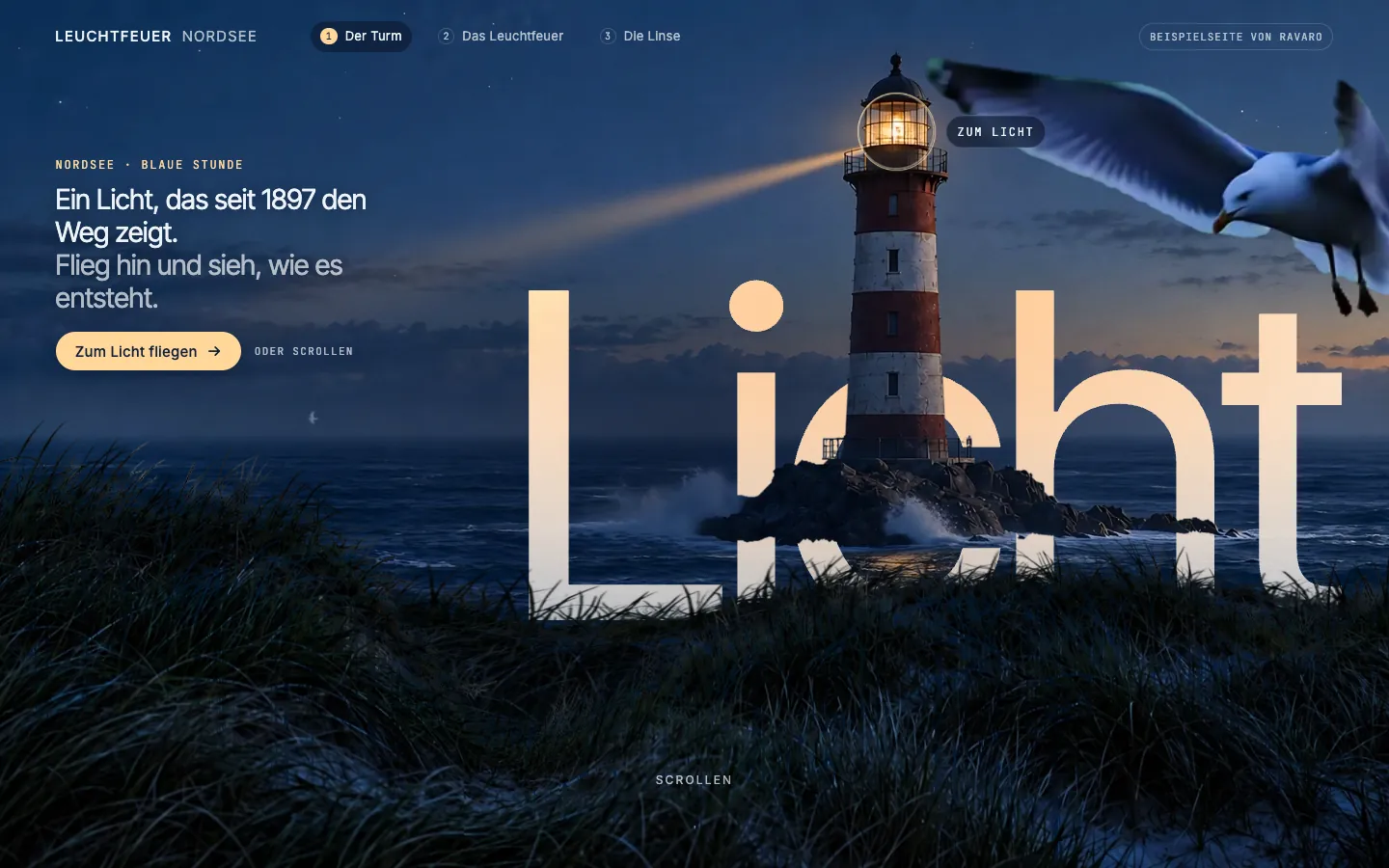
Leuchtfeuer Nordsee
Four days, ten versions, one lighthouse — and a lens you take apart yourself.
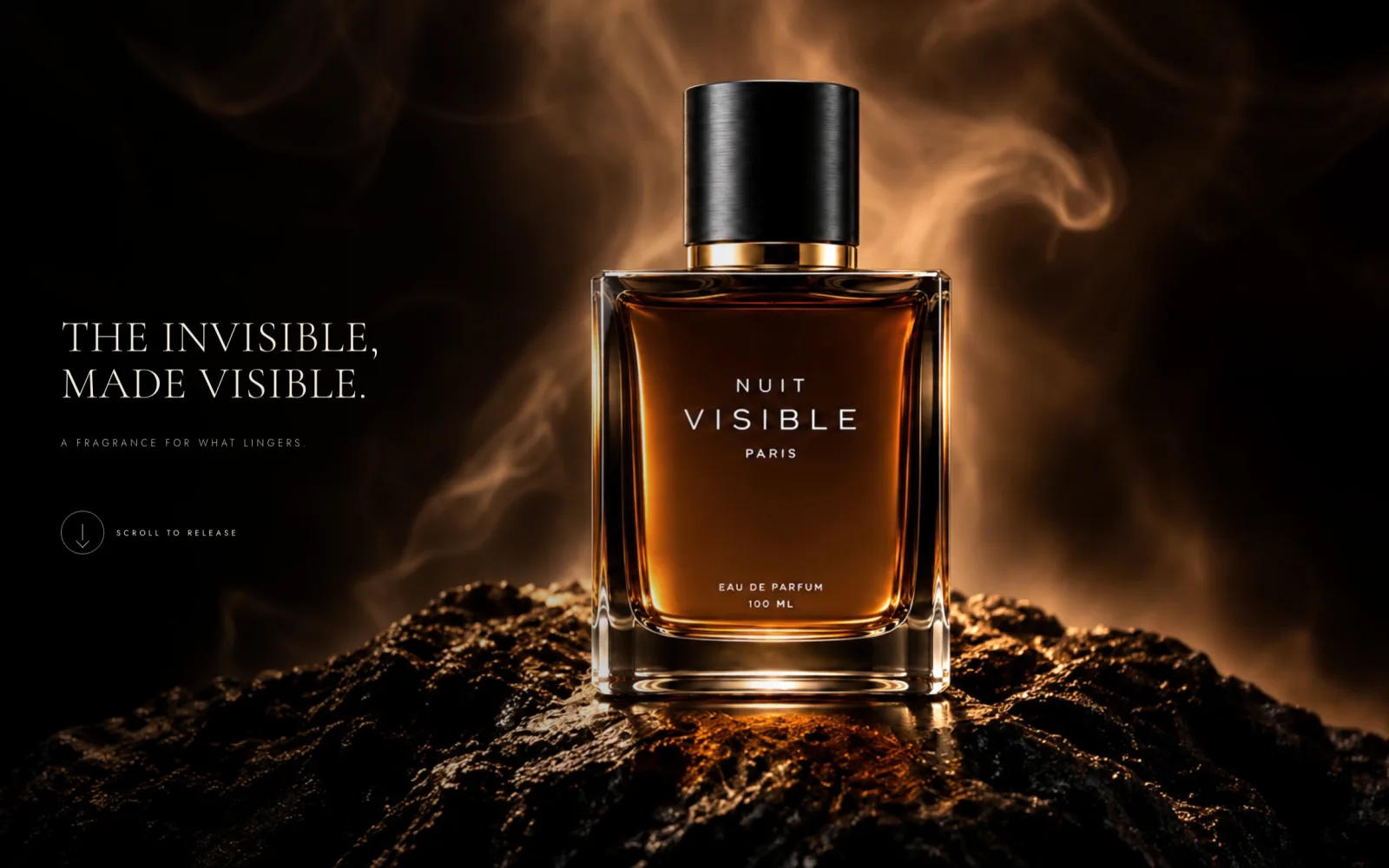
NUIT VISIBLE
A scent cannot be shown. So we let the scroll tell it.
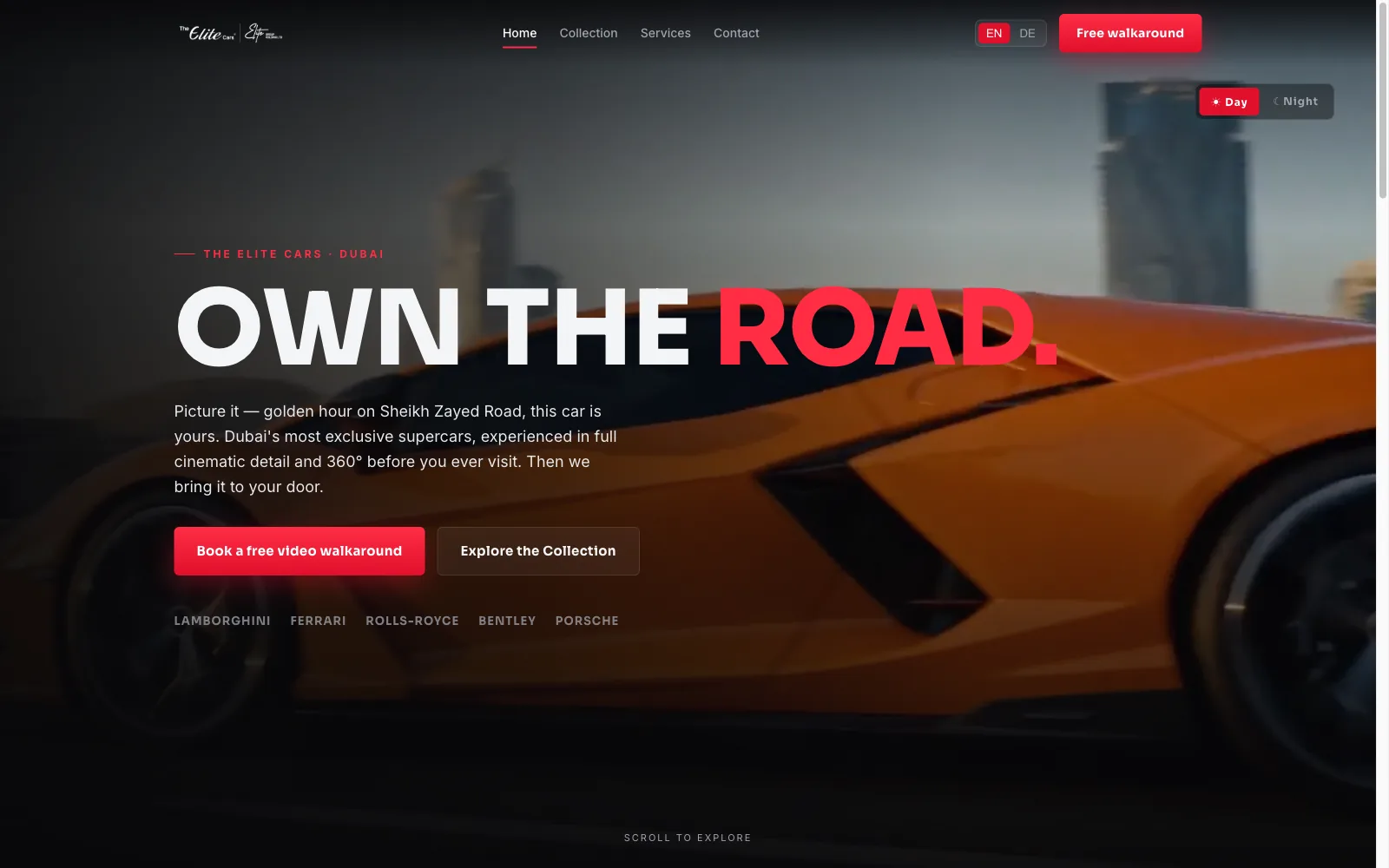
The Elite Cars
A supercar dealer whose website already looked good — and still could not sell a car to someone who didn't feel like driving over.
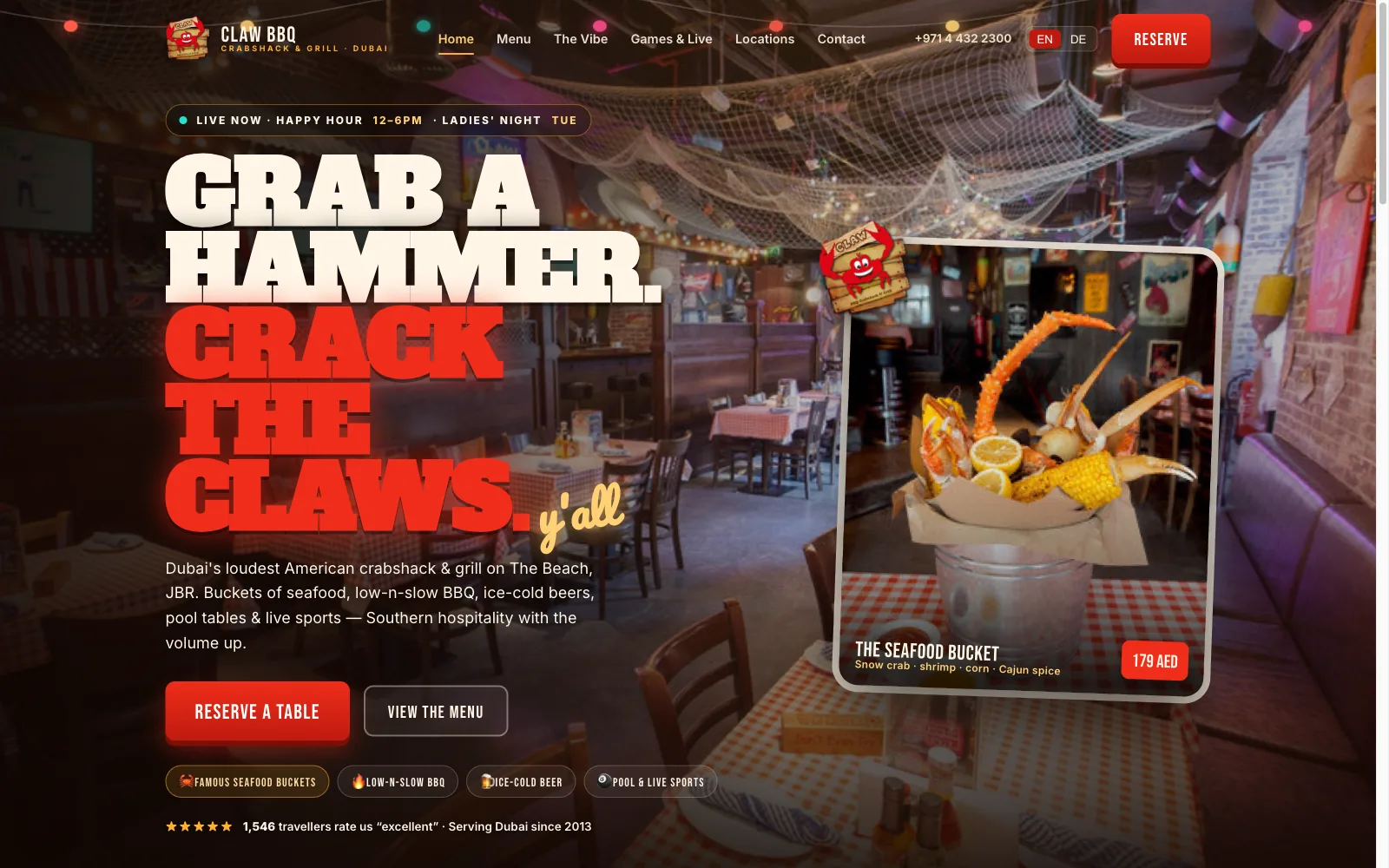
CLAW BBQ
I know this place. Their website did not.
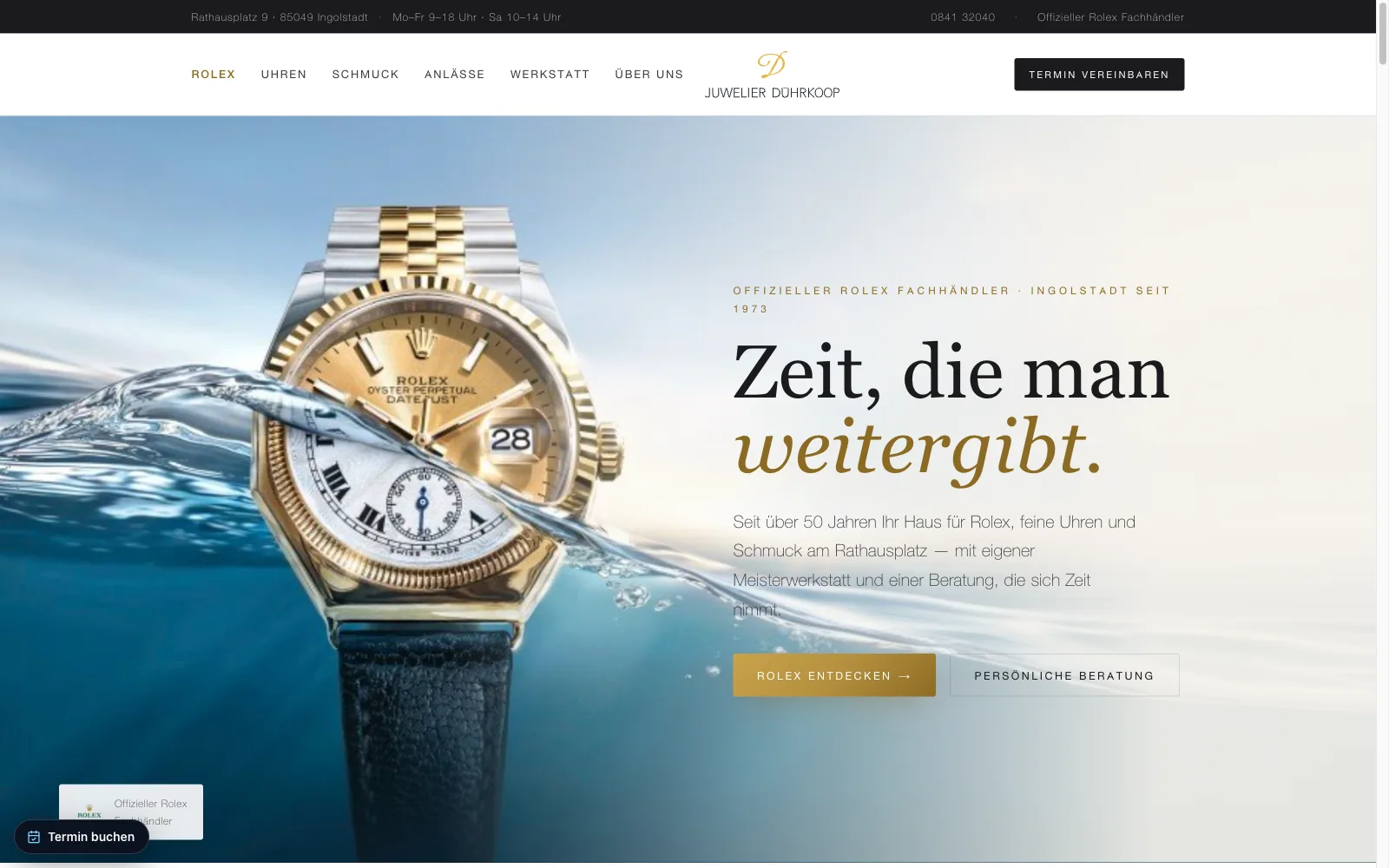
Juwelier Dührkoop
Fine watches, sold from a page you could not lean into.
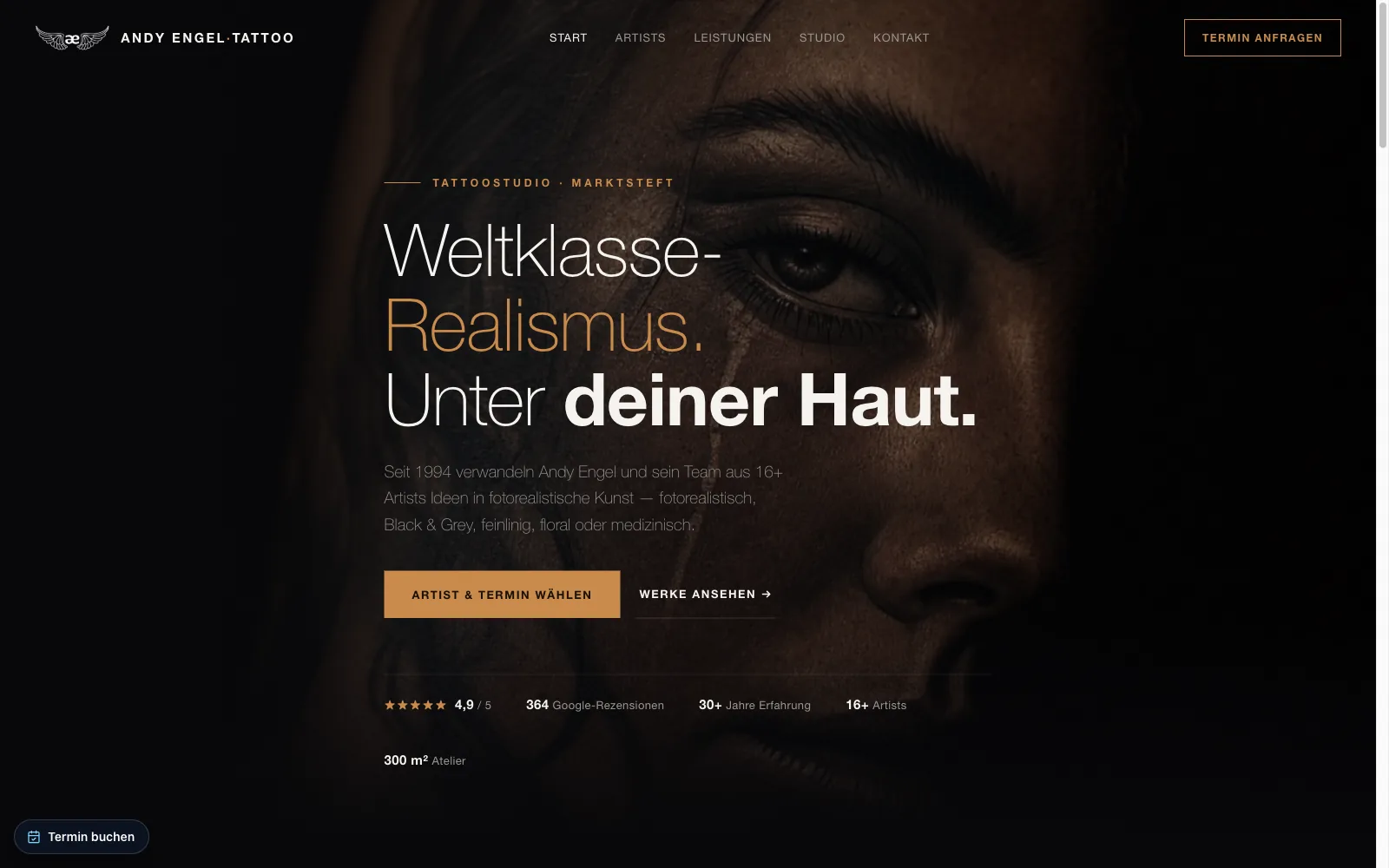
Andy Engel
A man people fly across continents for, with a website built for people driving past.
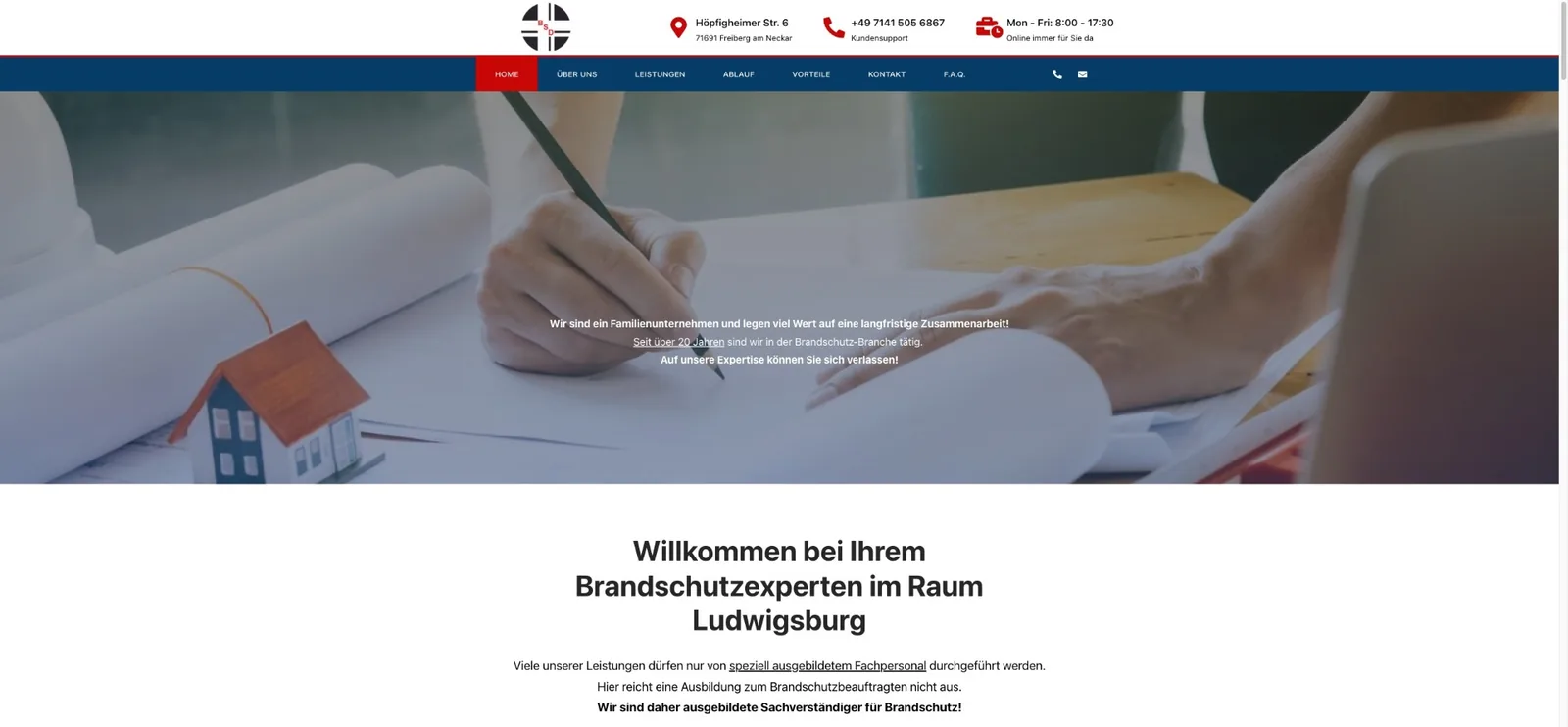
BSD Wiedemann
We stopped his website selling fire extinguishers, so the business could start selling expertise.
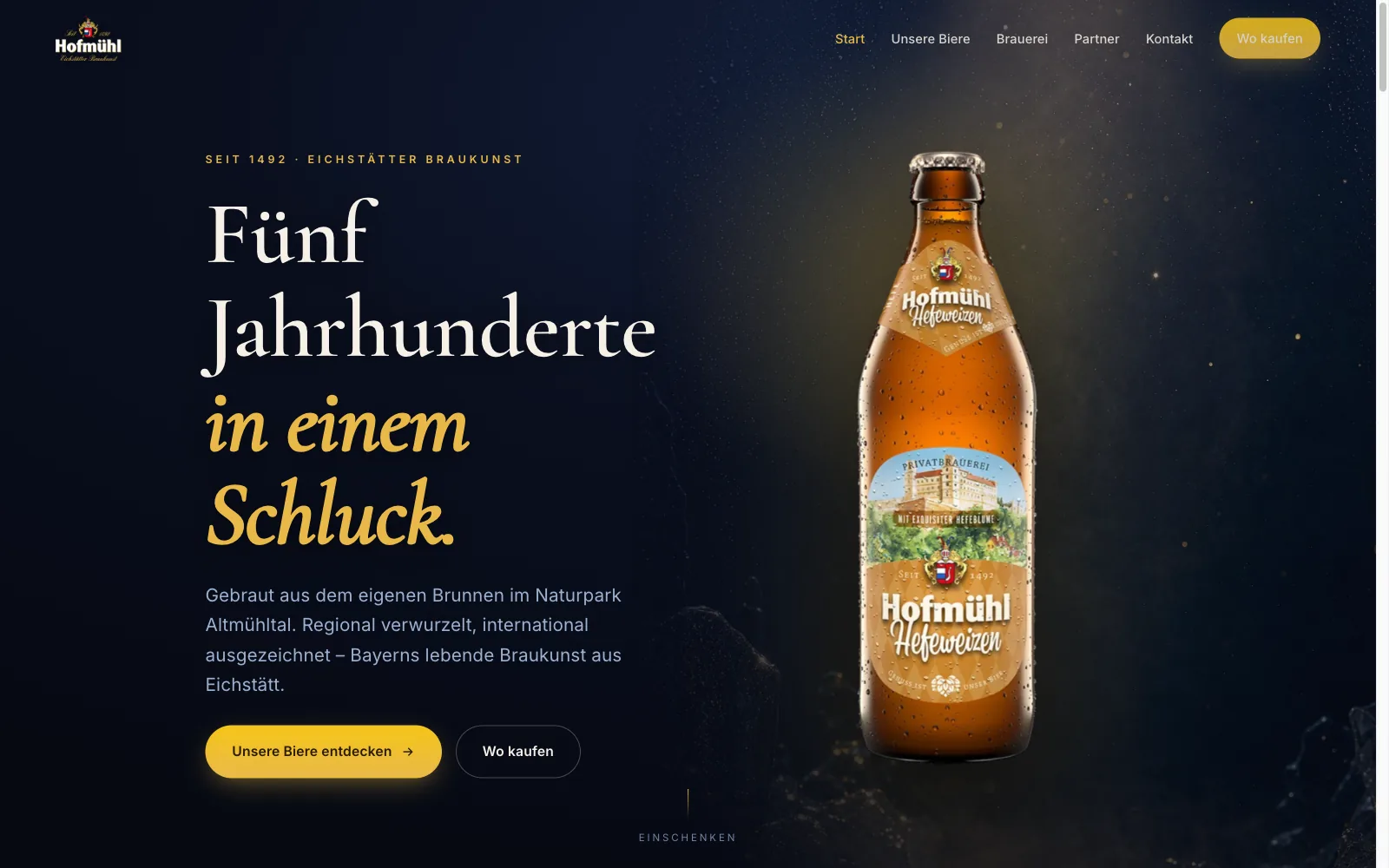
Hofmühl
A brewery does not sell beer on its website. It sells the reason someone reaches for that bottle in the shop.
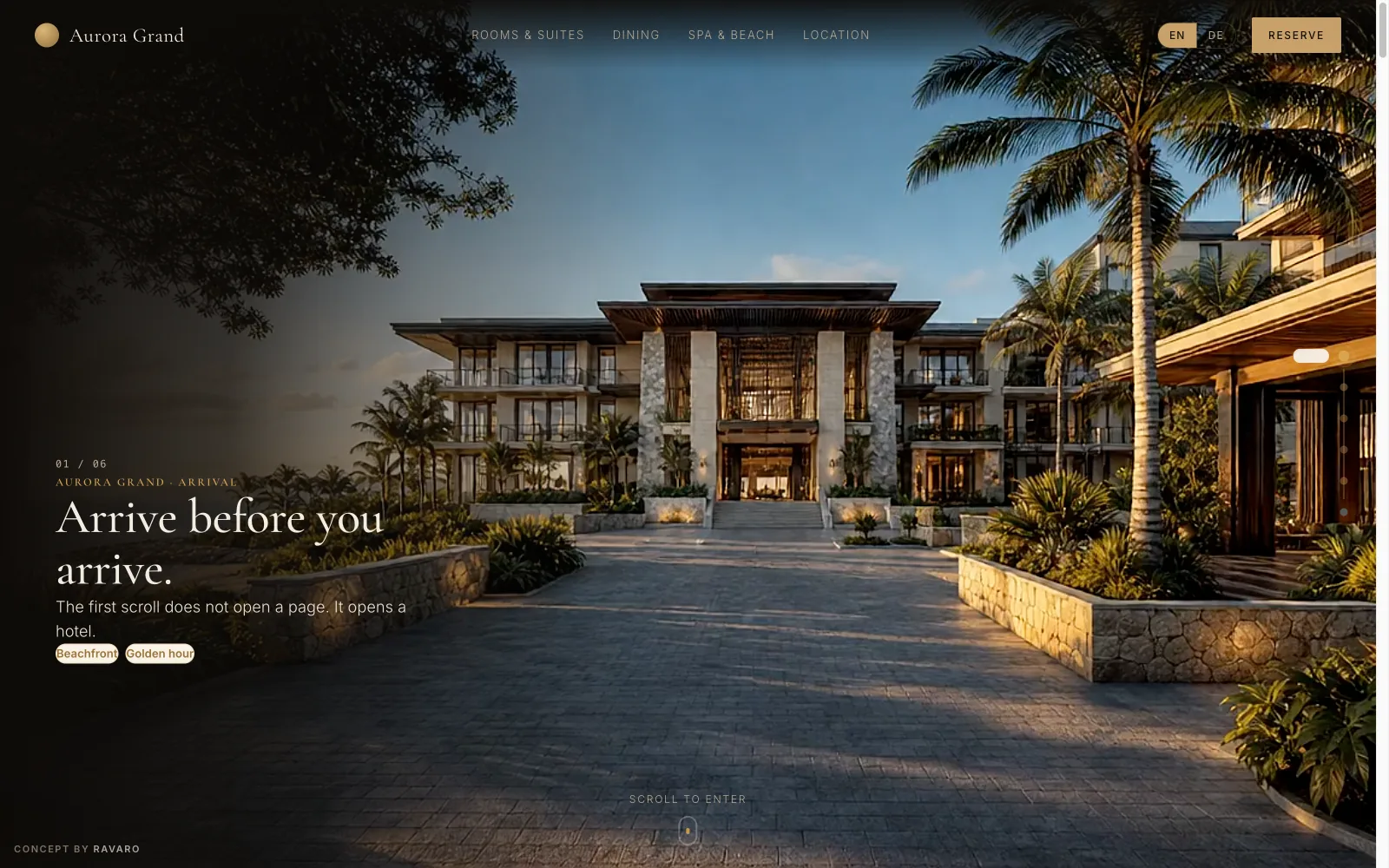
Aurora Grand
A hotel website you walk through before you book.
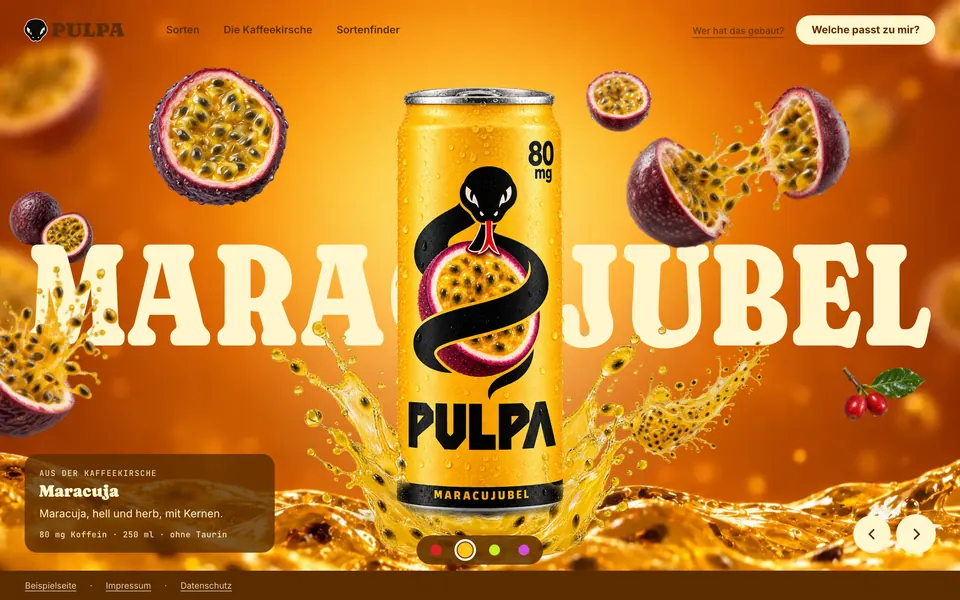
PULPA
A lemonade that doesn't exist, on a website that does things most websites can't.
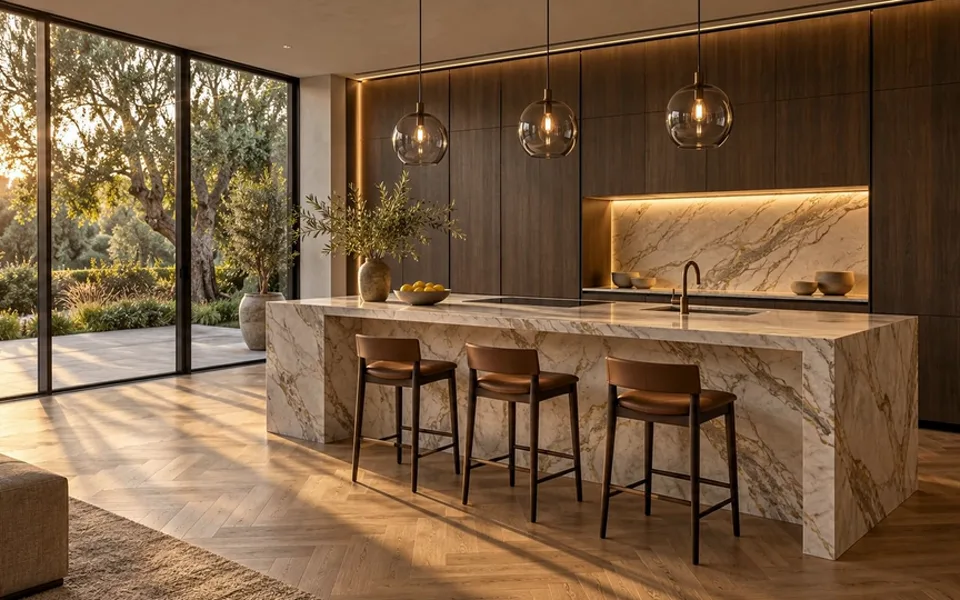
Werrewerk Küchen
What if your customer could stand in their finished kitchen before a single cabinet is built? A kitchen that comes together in a time-lapse, that the visitor restyles with a price, and behind it a business you would trust to build it.
All our website work
Every project in this discipline — numbers, videos and results.